"But I Wasn't Even There"
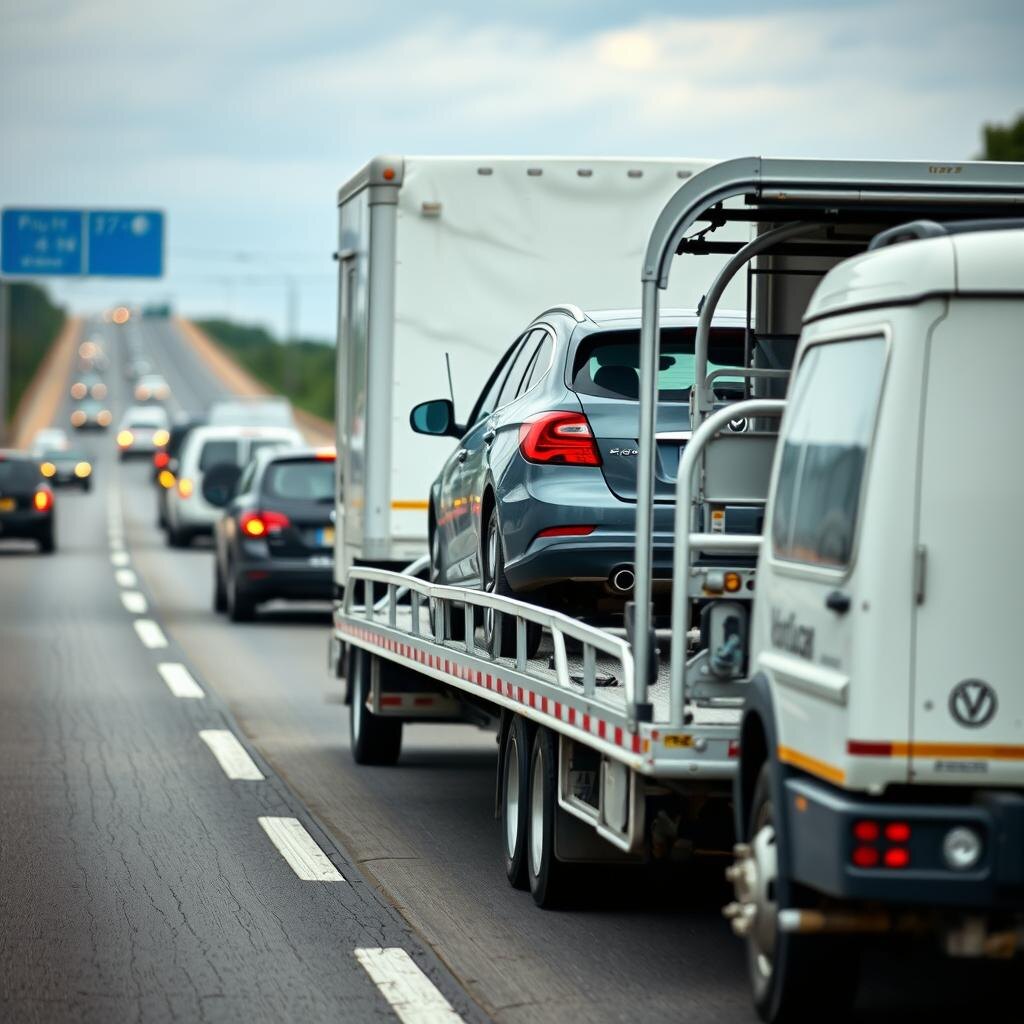
A customer rents your enclosed cargo trailer, overloads it, and the trailer fishtails into another lane on the highway. Someone is seriously hurt. The renter was driving; the renter loaded it; the renter signed your rental agreement. So why, weeks later, is *your* business named as a defendant in the lawsuit?
Because in the American legal system, when someone is injured, plaintiff attorneys name everyone with a connection to the loss — and the owner of the equipment is always on that list. Understanding *why* you get pulled in is the first step to making sure you're not paying for it out of pocket.
Three Ways an Owner Gets Dragged Into a Renter's Accident
- Negligent entrustment. This is the big one. The theory is that you handed a piece of equipment to someone you should have known might misuse it — a renter with no truck rated to tow the load, no experience, or visible signs they shouldn't be towing. Even a weak negligent-entrustment claim has to be defended.
- Equipment-defect allegations. The renter's lawyer will argue the accident wasn't really the renter's fault — it was your trailer. Worn tires, a bad coupler, no working brakes, missing safety chains. Now you're defending the *condition* of your unit, and your maintenance records become evidence.
- Owner-liability statutes. Some states impose liability on the owner of a vehicle or trailer for its operation, independent of fault. In those states, ownership alone is enough to be on the hook.
The common thread: a signed rental agreement is helpful, but it does not make you immune from being named, defended, or held liable.
Why a Rental Agreement Isn't a Force Field
Good rental agreement language matters — hold-harmless clauses, verification of the renter's insurance, documented pre-rental inspections. We always help operators tighten this up, because it transfers risk where it belongs and gives your defense something to stand on.
But a contract between you and your renter doesn't bind the *injured third party*. The person hurt in the other car never signed anything. They can sue you directly, and your rental agreement is a defense to be argued — not a wall that keeps you out of court. Defending that argument still costs real money.
The Coverage That Responds: Liability for Rented Units
Liability for rented units is built specifically for this exposure. When a trailer you own and rent out is involved in an accident, it:
- Defends your business against third-party bodily injury and property damage claims, even when the renter was driving.
- Pays covered judgments and settlements when your business is found liable as the owner.
- Covers detachment and load-shift incidents — the unit coming loose or a load spilling into traffic.
- Funds defense costs for the negligent-entrustment and equipment-defect theories that target owners specifically.
Don't Stop at the Primary Limit: Contingent & Excess
Here's the trap that closes on under-insured operators. Many renters carry only state-minimum auto liability — often $25,000 to $50,000. A serious multi-vehicle accident involving a loaded trailer blows through that in an afternoon. When the renter's limit is exhausted and the injured party still has damages, they come looking for the next deep pocket: the owner.
Contingent and excess liability is the layer that answers. It steps in when the renter's primary coverage is gone, insufficient, or denied, adding capacity above their minimal limits and continuing your defense after their carrier walks away. Together with liability for rented units, it forms the complete liability program a rental fleet needs.
The Bottom Line
You can run the cleanest lot in the state and still get sued for an accident you weren't part of. That's not a reason to panic — it's a reason to carry coverage that defends you as the owner and backstops the uninsured renter.
Find out how owner liability and contingent & excess coverage would be structured for your fleet. [Request a quote online](/quote) — fast and no-pressure.